| Date: | March 21 | |
|---|---|---|
| If you arrive in Cambridge on or before March 21, you will have the opportunity to enjoy the Cambridge Festival (March 16 - April 2, 2026) |  |
| Date: | March 22-24 |
|---|
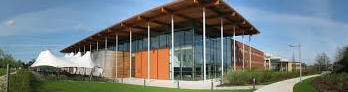
| Location: | Theatre 1, Department of Computer Science and Technology, University of Cambridge William Gates Building, 15 JJ Thomson Ave, Cambridge CB3 0FD, UK |
 |
|---|
| Date: | March 23 |
|---|
| Time | Session | Video | Location |
|---|---|---|---|
| 08:00–09:00 | Registration | Department of Computer Science and Technology, University of Cambridge | |
| 09:00–09:15 | Opening remarks Tiansi Dong, Pietro Lio and Challenger Mishra | 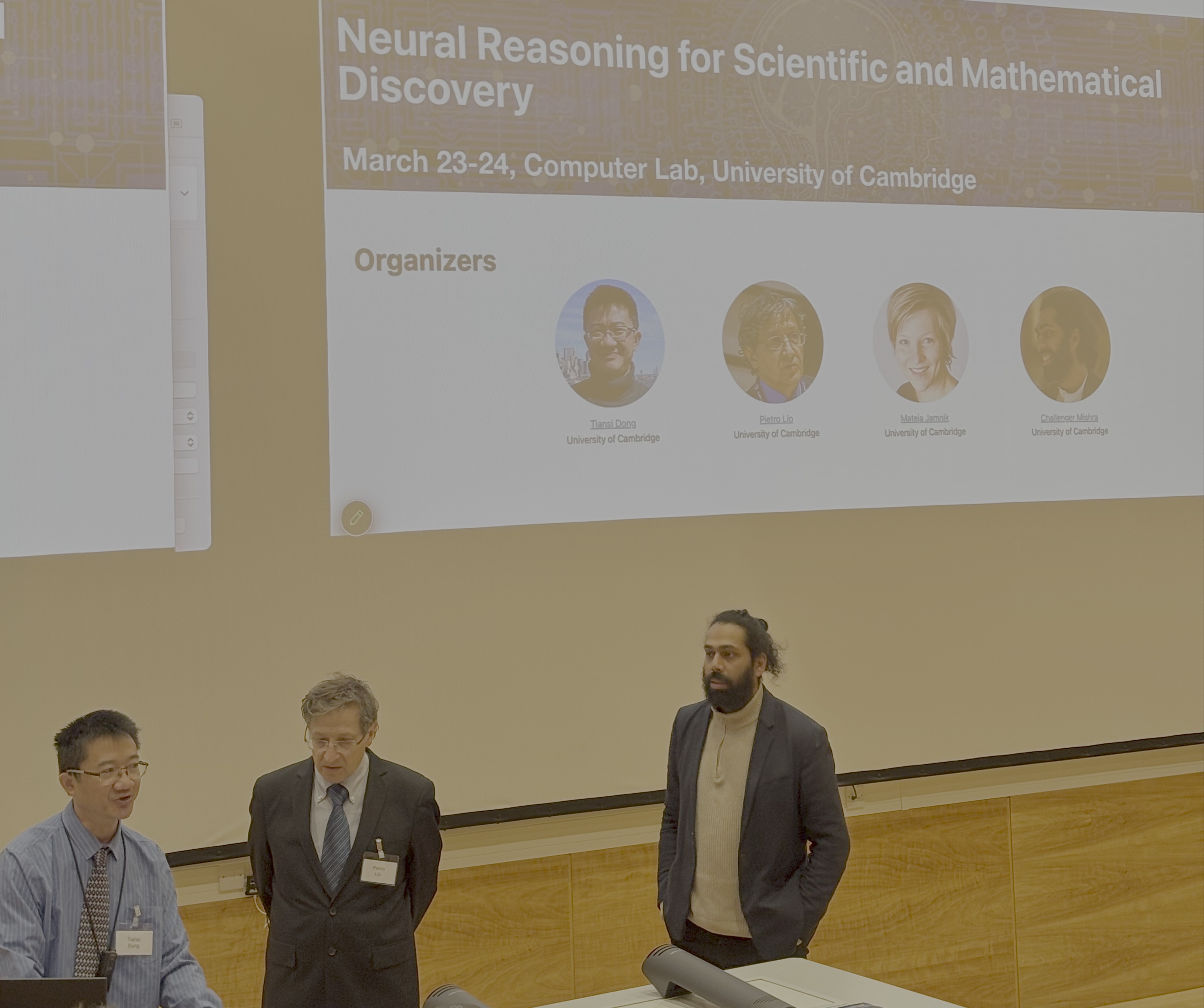 | |
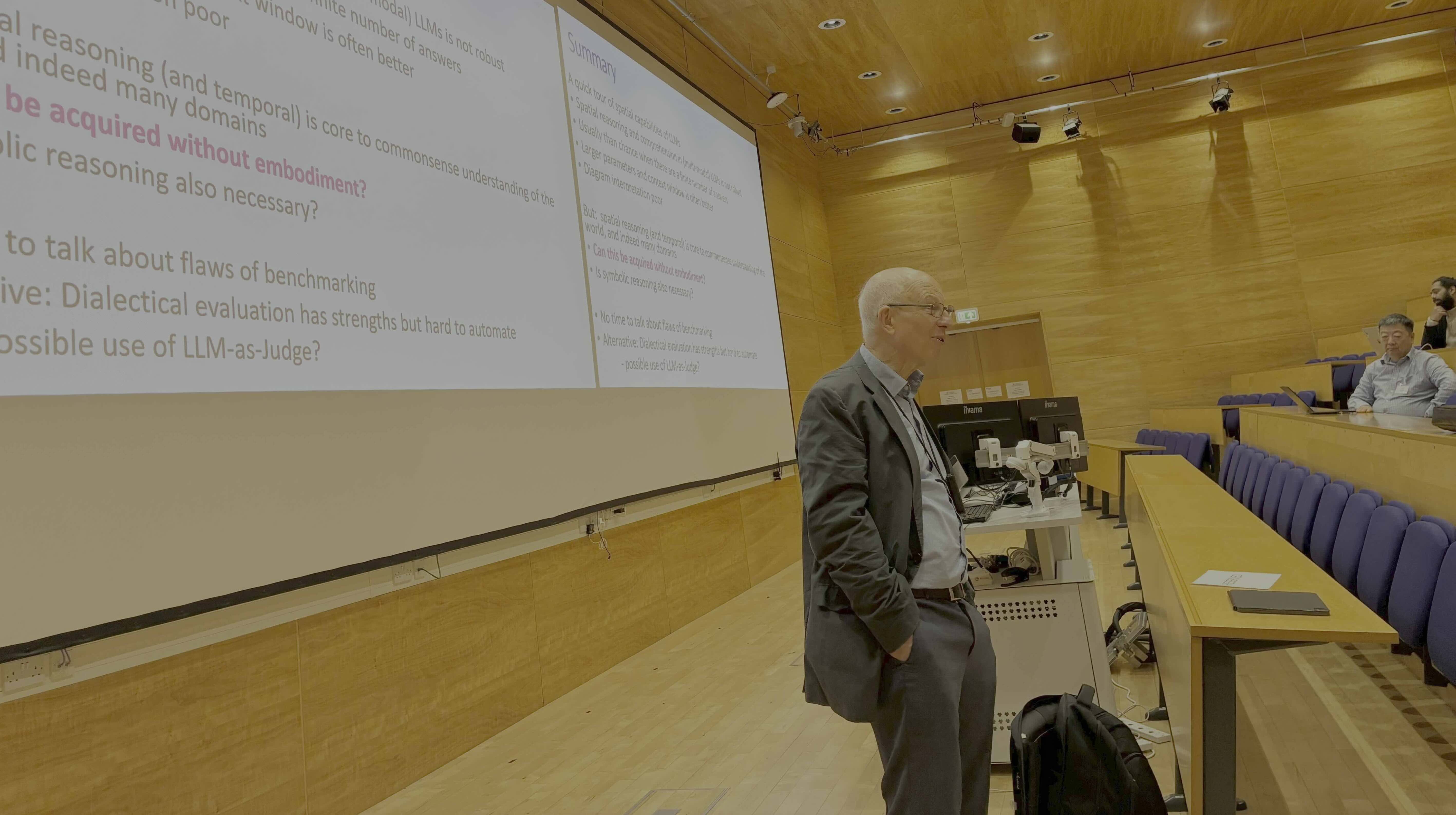
| 09:15–10:00 | Tony Cohn (The Alan Turing Institute &
University of Leeds) Can Large Language Models Solve Spatial Puzzles? |
 |
|
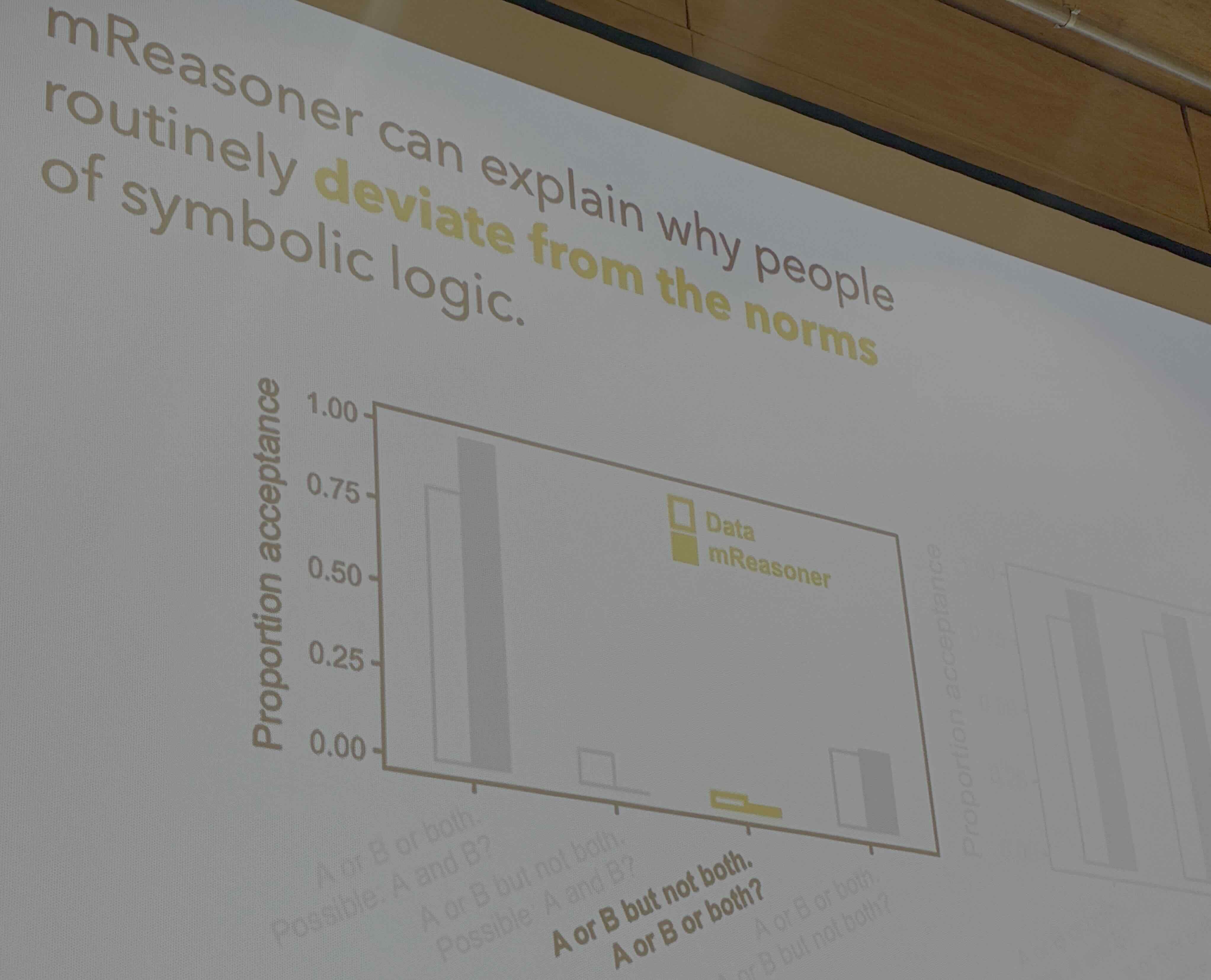
| 10:00–10:25 | Sangeet Khemlani (U.S. Naval Research Laboratory) online
Building from and building toward human reasoning capabilities |
 |
|
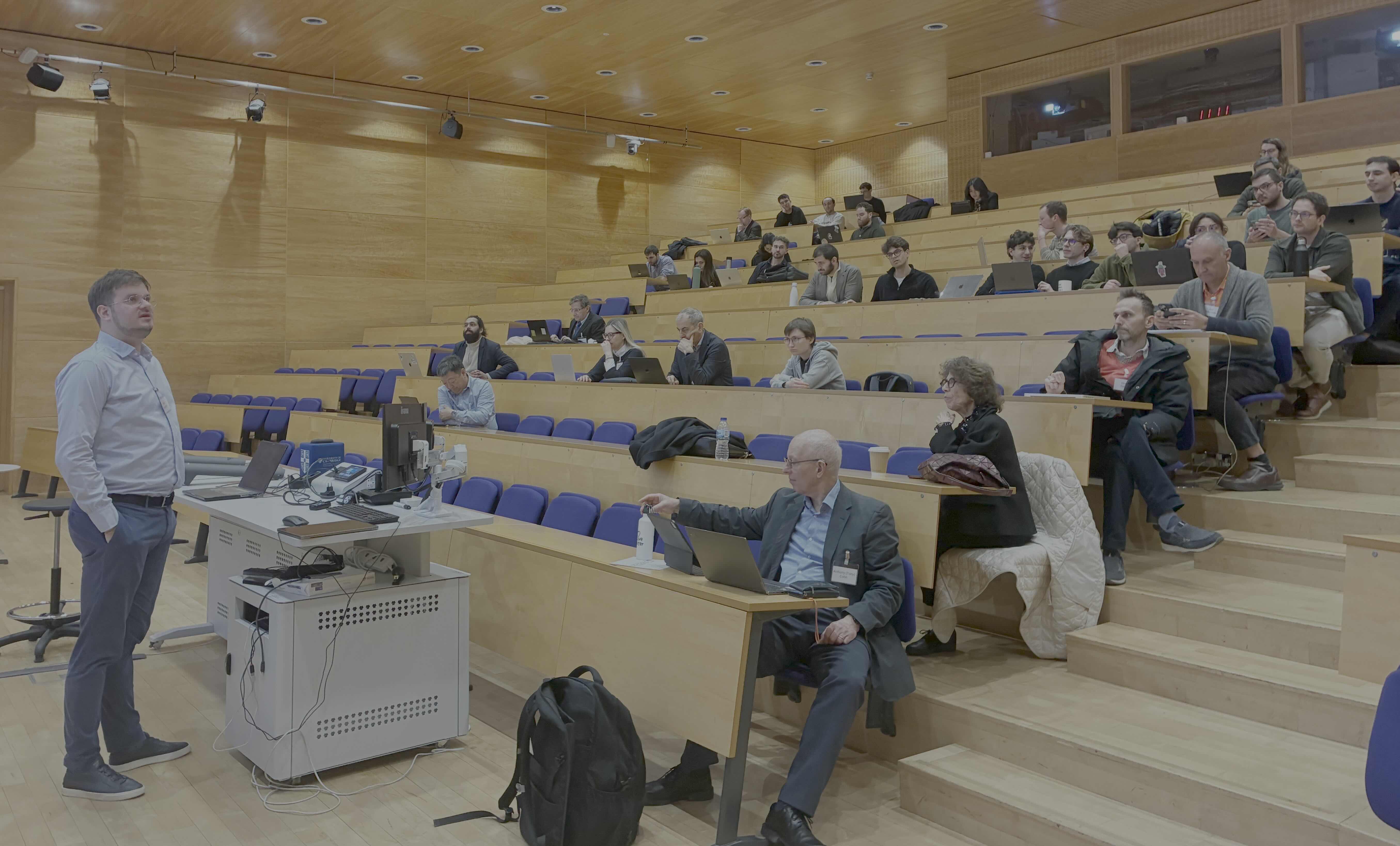
| 10:25–11:10 | Petar Veličković (Google DeepMind)
Please maximise signal... Do you copy? ... |
 |
|
| 11:10–11:25 | Coffee break | ||
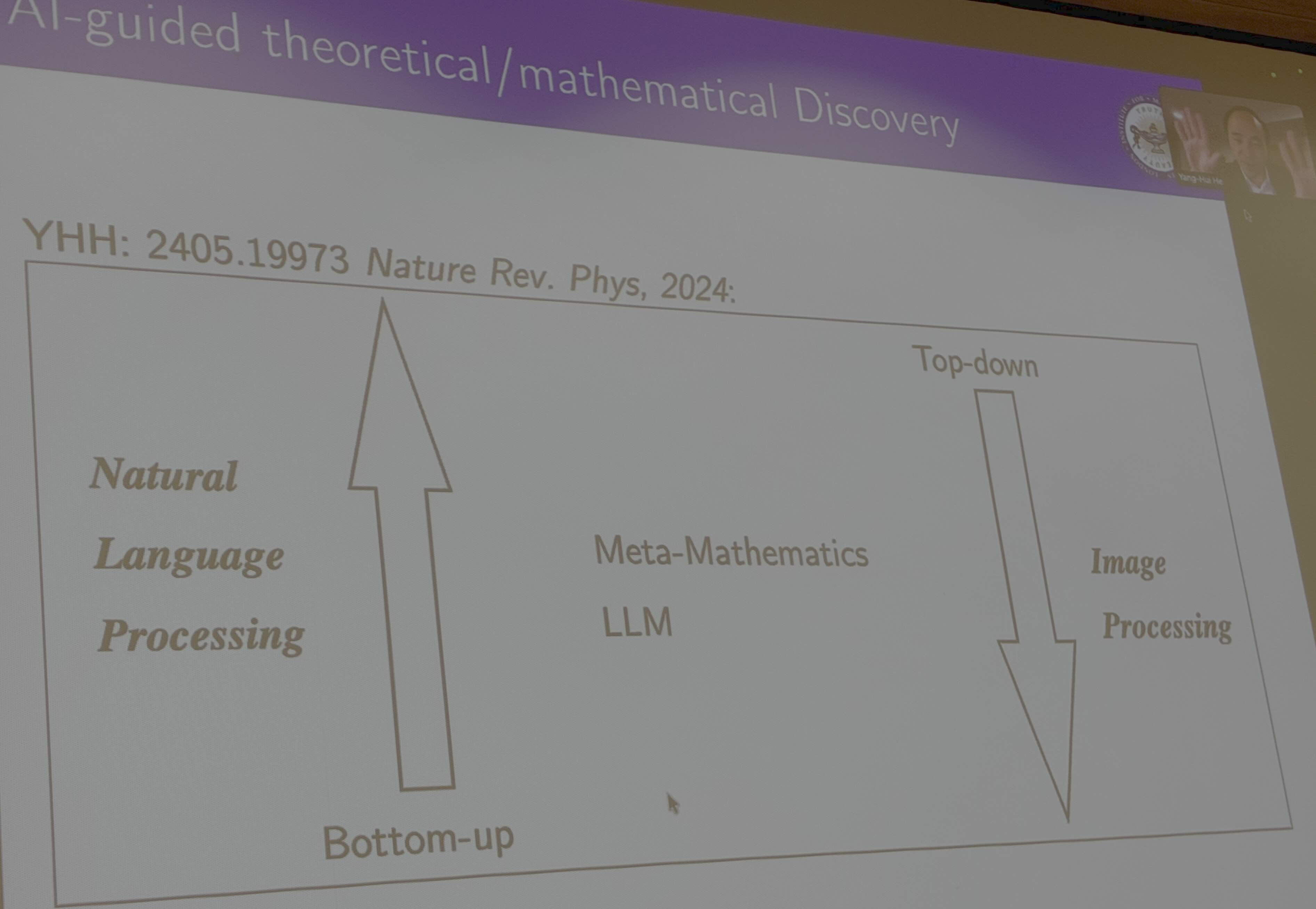
| 11:25–11:45 | Yang-Hui He (London Institute for Mathematical Science) online
AI and the Future of Mathematics |
 |
|
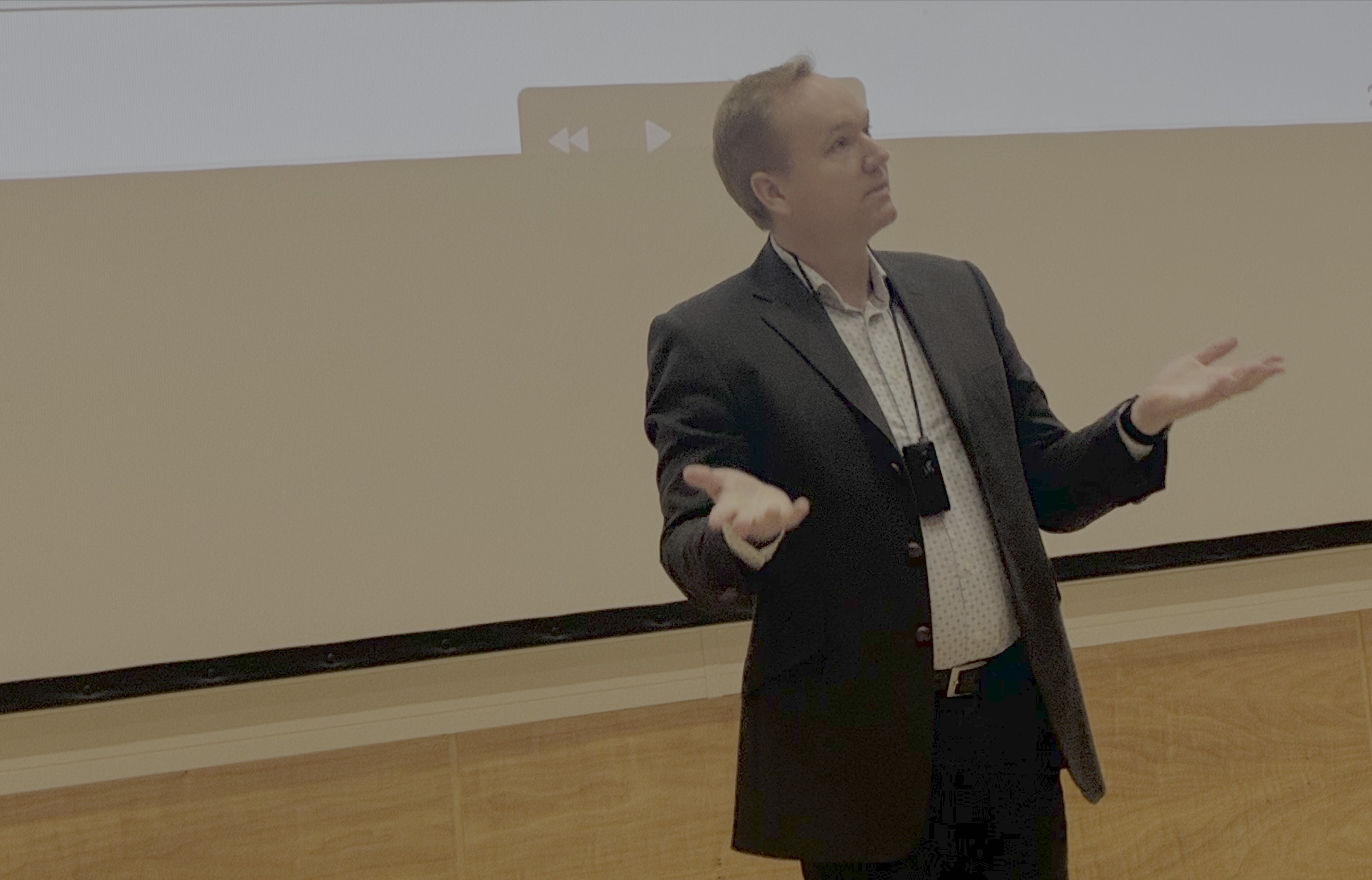
| 11:45–12:30 | Anders C. Hansen (University of Cambridge)
Necessary mechanisms for super AI and stopping hallucinations--The consistent reasoning paradox and the indeterminacy function |
 |
|
| 12:30–14:10 | Lunch | West Hub |
|
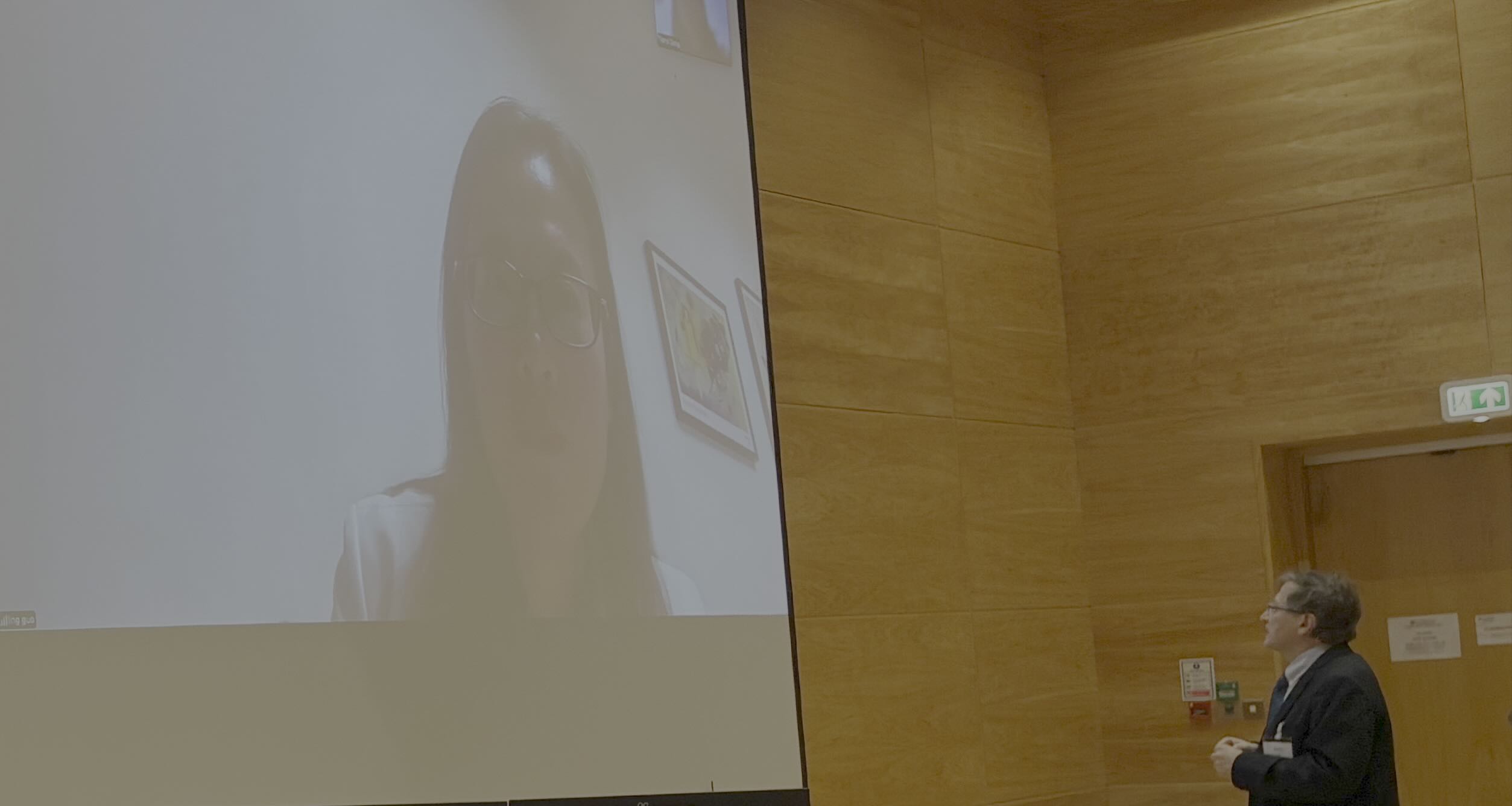
| 14:10–14:30 | Ling Guo (Shanghai Normal University) online
Uncertainty Quantification and Model Discrepancy in Scientific Machine Learning |
 |
|
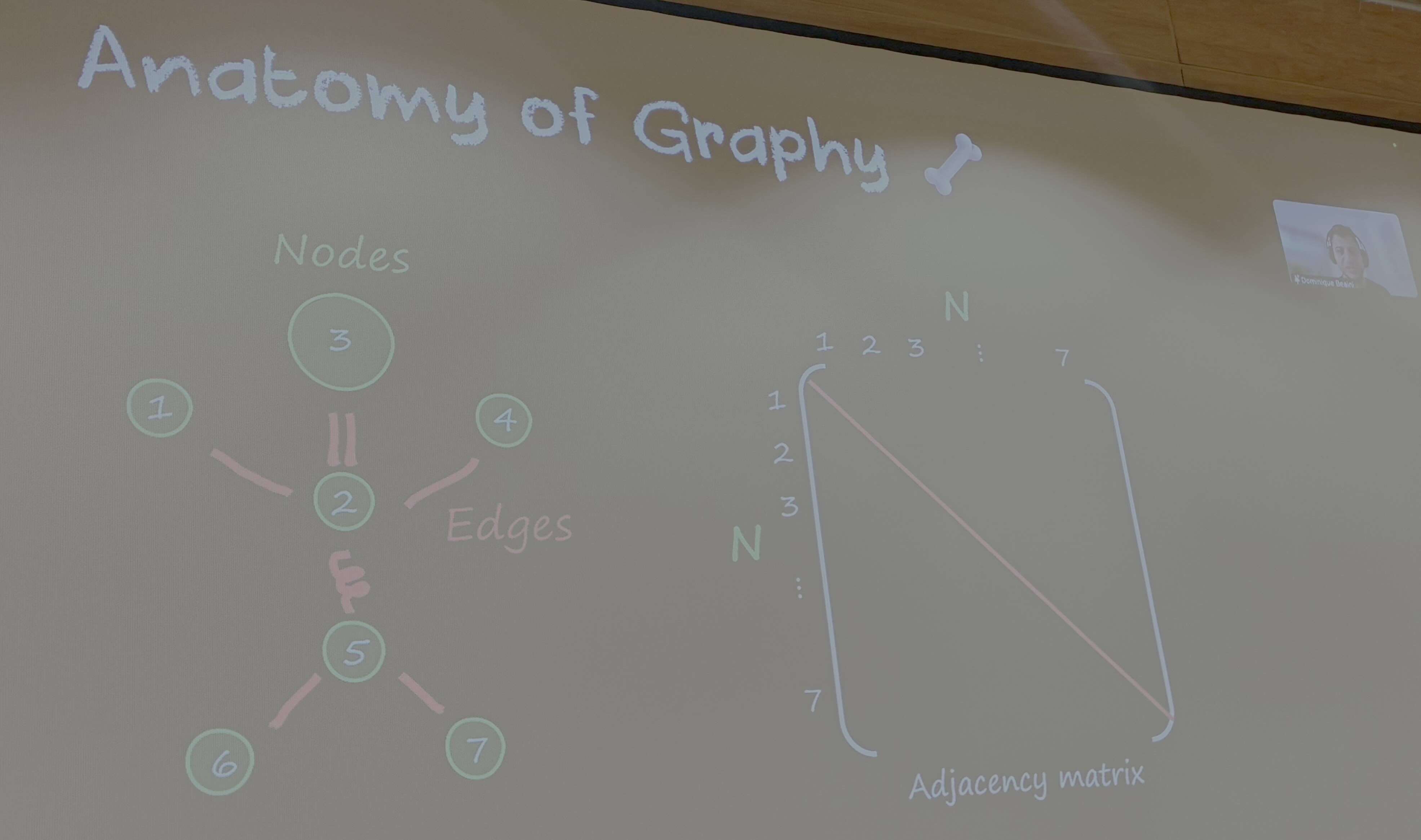
| 14:30-14:50 | Dominique Beaini (Valence Discovery & Mila) online
How to learn molecules? |
 |
|
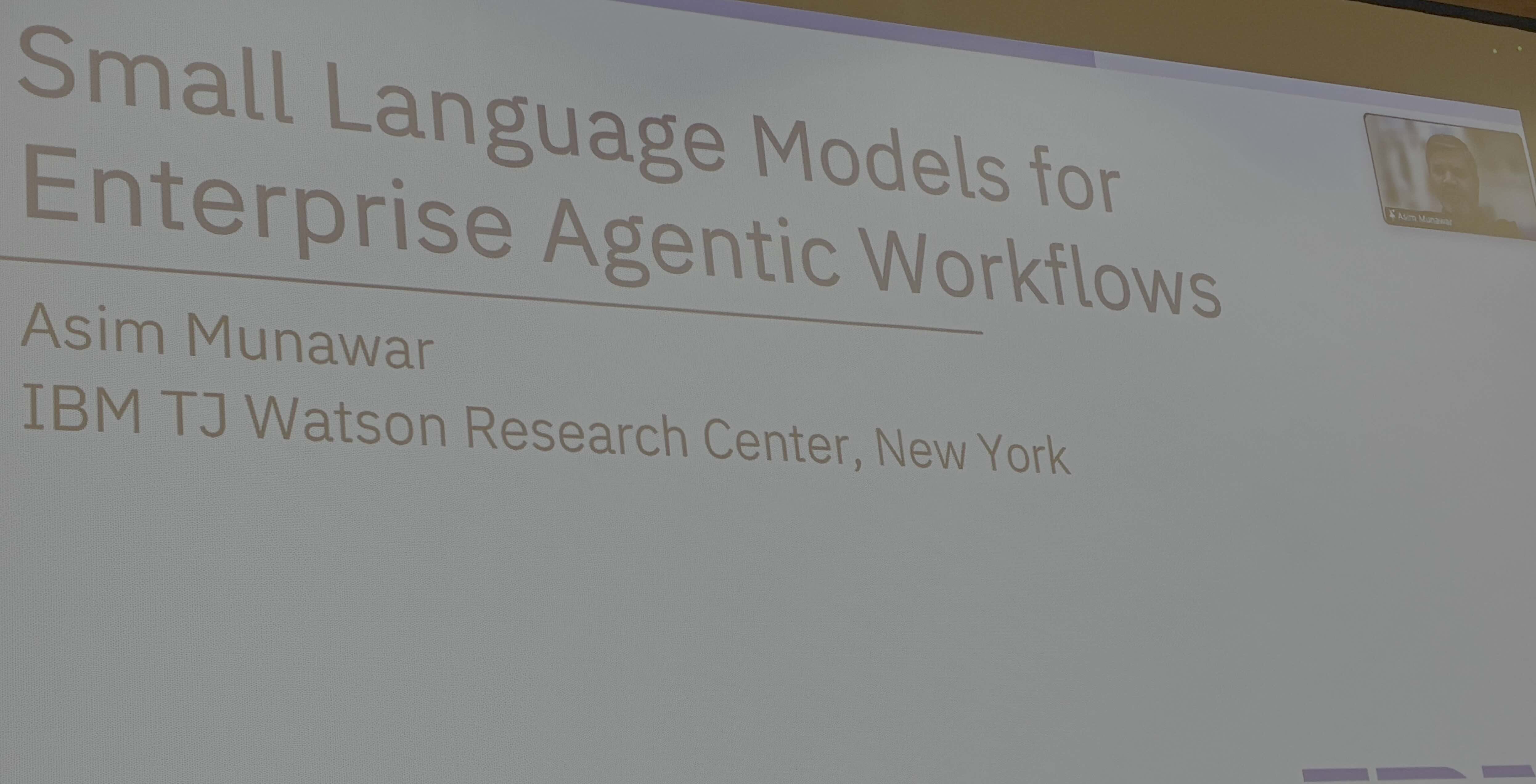
| 14:50–15:10 | Asim Munawar (IBM Thomas J. Watson Research Center) online
Small Language Models for Enterprise Agentic Workflows |
 |
|
| 15:10–15:30 | Coffee break | ||
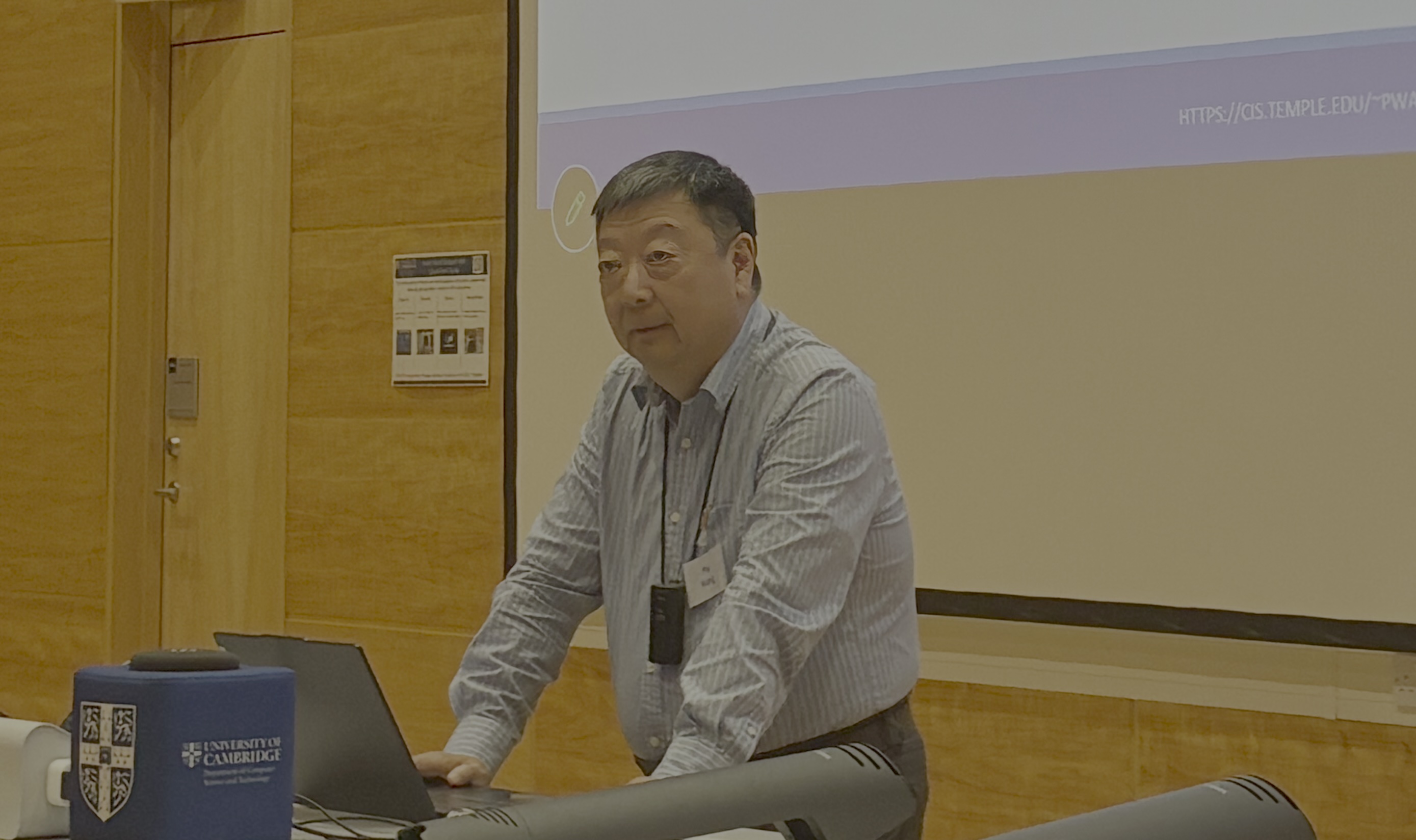
| 15:30–16:15 | Pei Wang (Temple University)
A Model of Reasoning that is Both Normative and Realistic |
 |
|
| 16:15-16:45 | Thomas Fink (London Institute for Mathematical Science):
Deep-layered machines have a built-in Occam's razor | 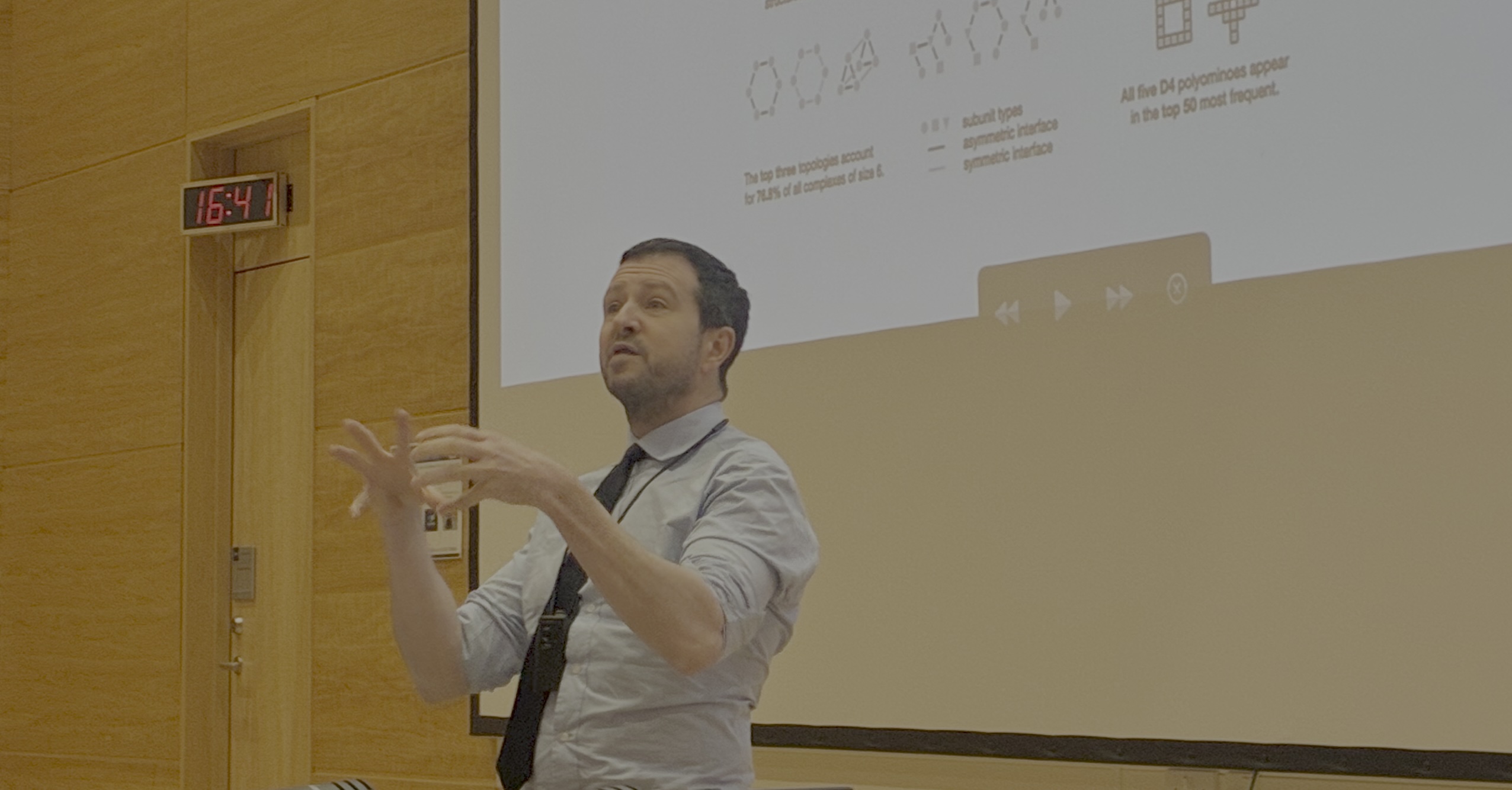 |
|
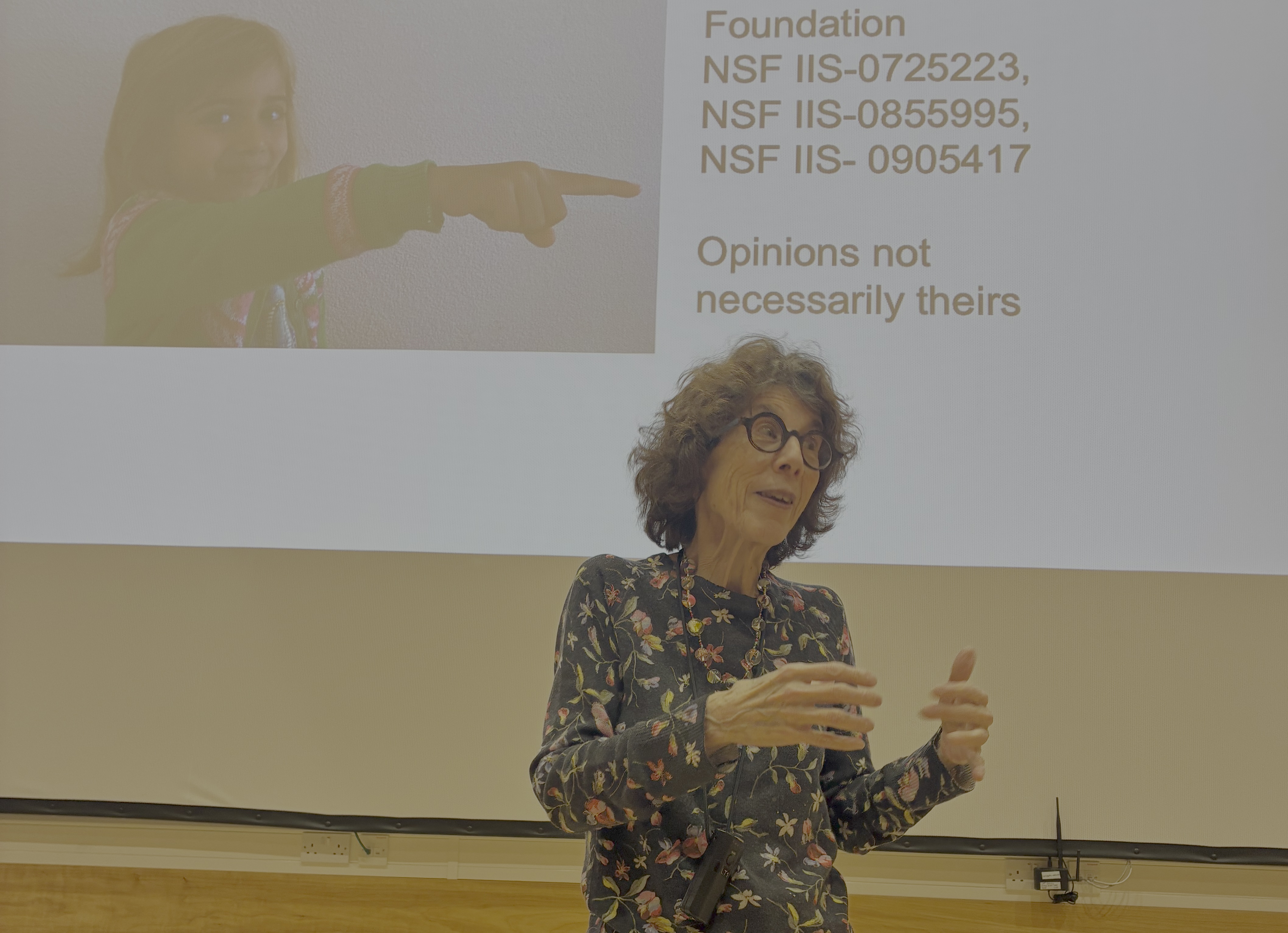
| 16:45–17:30 | Barbara Tversky(Stanford University & Columbia Teachers College)
Mind in Motion: How Action Shapes Thought |
 |
|
| 17:30–19:00 | Poster | 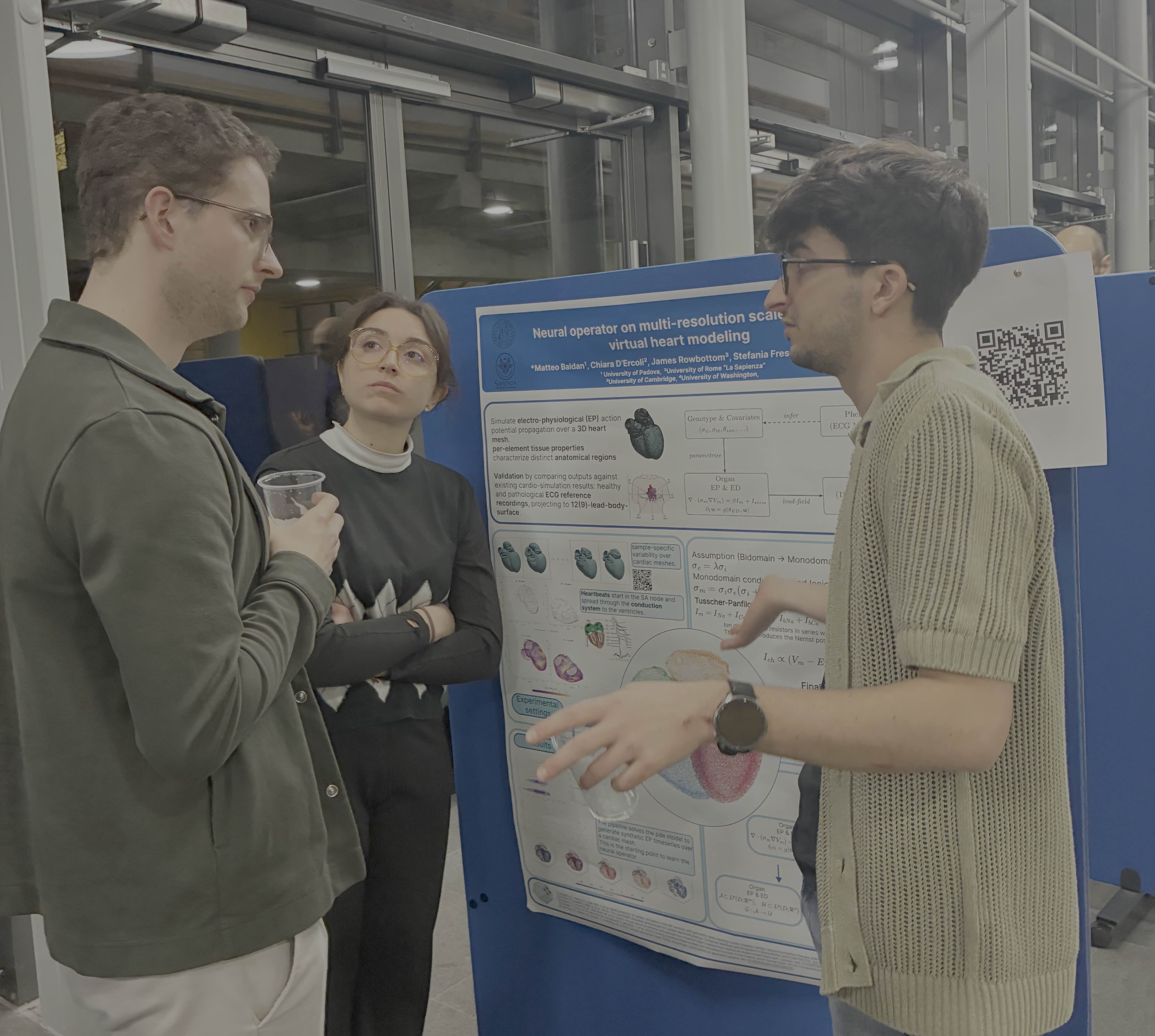 |
|
| 19:30–21:00 | Dinner for invited speakers at NAVADHANYA (70 Newmarket Rd, Cambridge CB5 8DZ) | 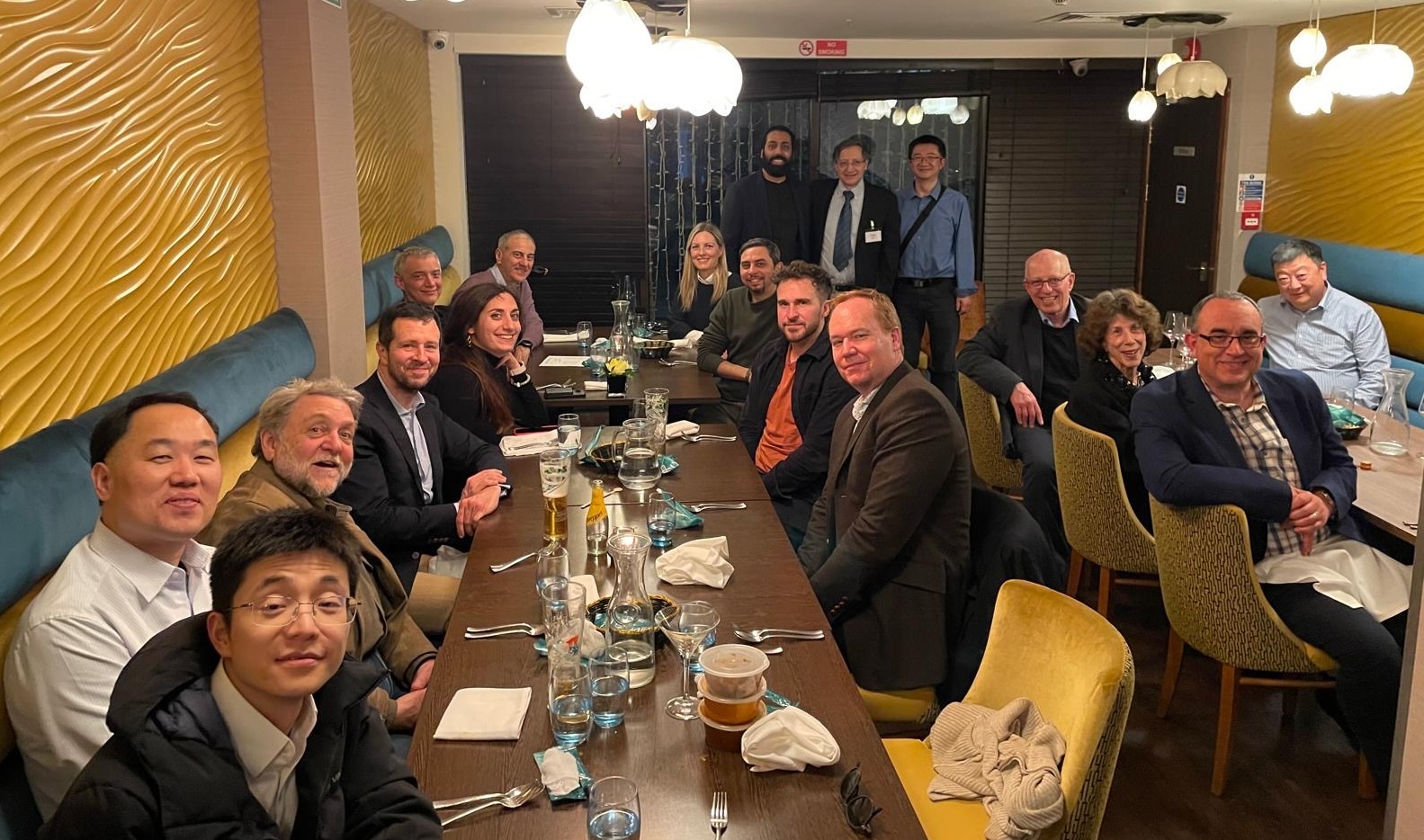 |
| Date: | March 24 |
|---|
| Time | Session | Video | Location |
|---|---|---|---|
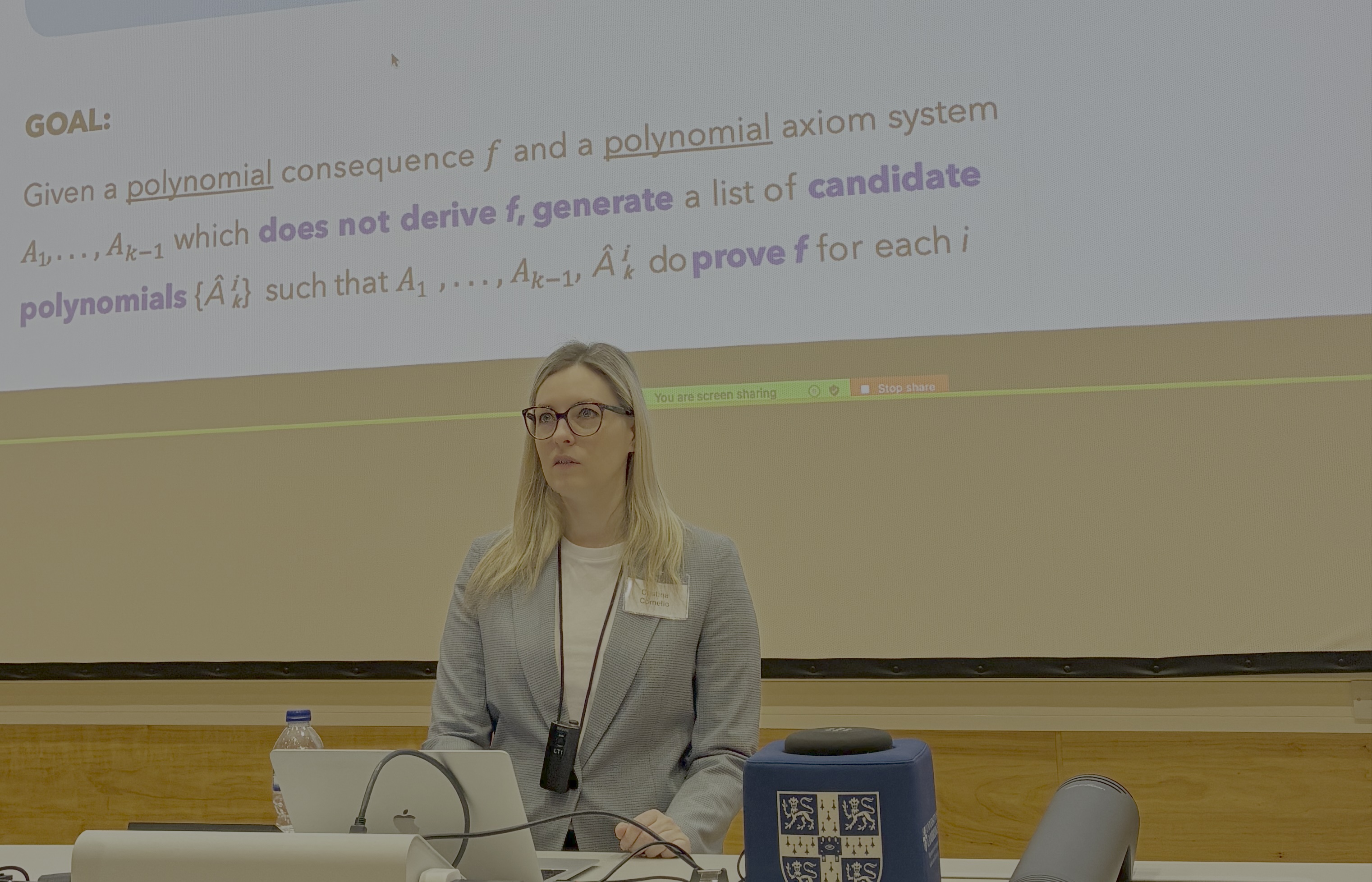
| 09:00–09:45 | Cristina Cornelio (Samsung AI in Cambridge):
Derivable Scientific Discovery |
 |
|
| 09:45–10:30 | Steve Awodey (Carnegie Mellon University)
What is HoTT? |
 |
|
| 10:30–10:45 | Coffee break | ||
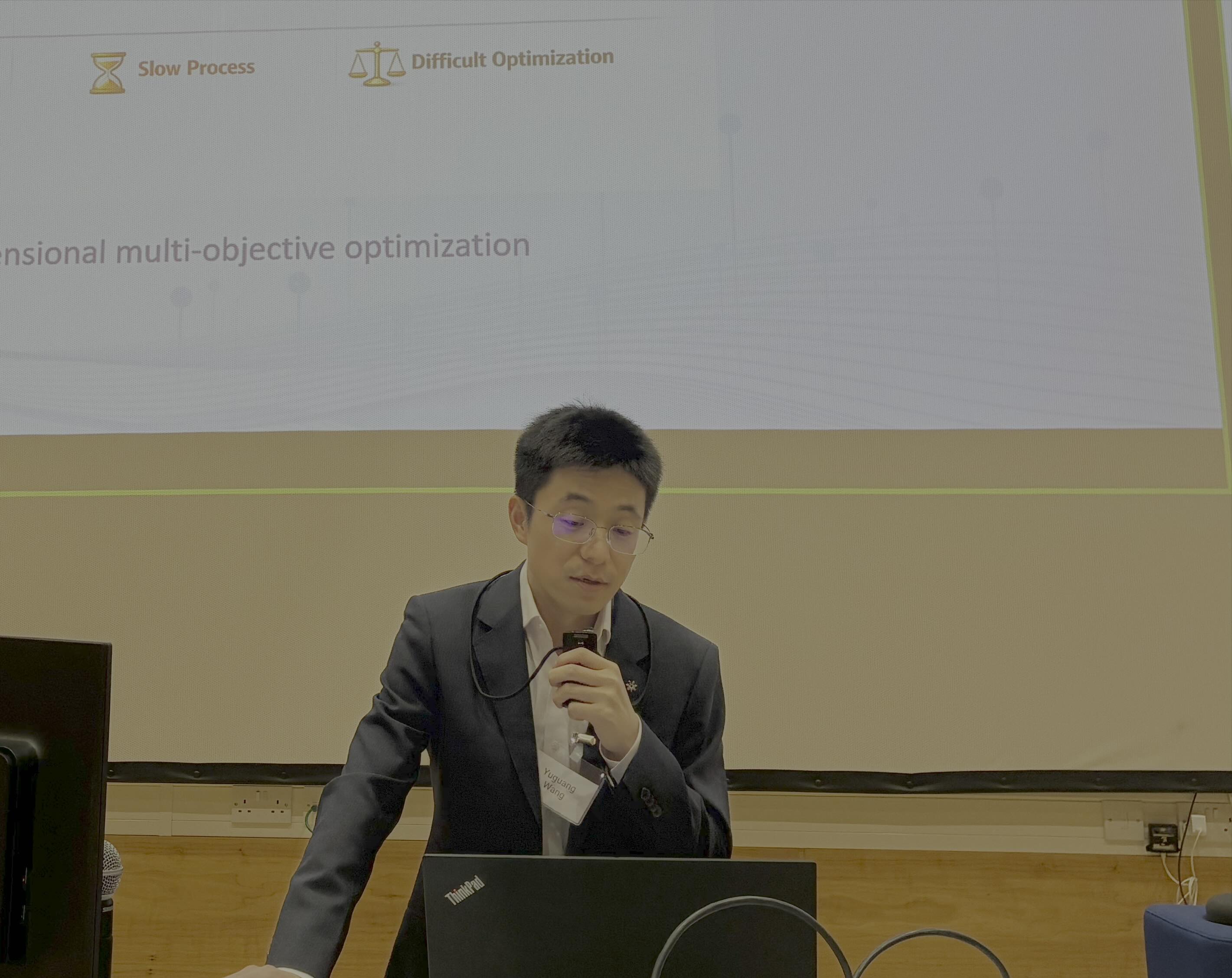
| 10:45–11:30 | Yu-Guang Wang (Shanghai Jiao Tong University)
AI Antibody Design Superintelligent Agent: An All-Atom Modeling and Automated Laboratory Closed-Loop Framework for Multi-Objective Developability Optimization |
 |
|
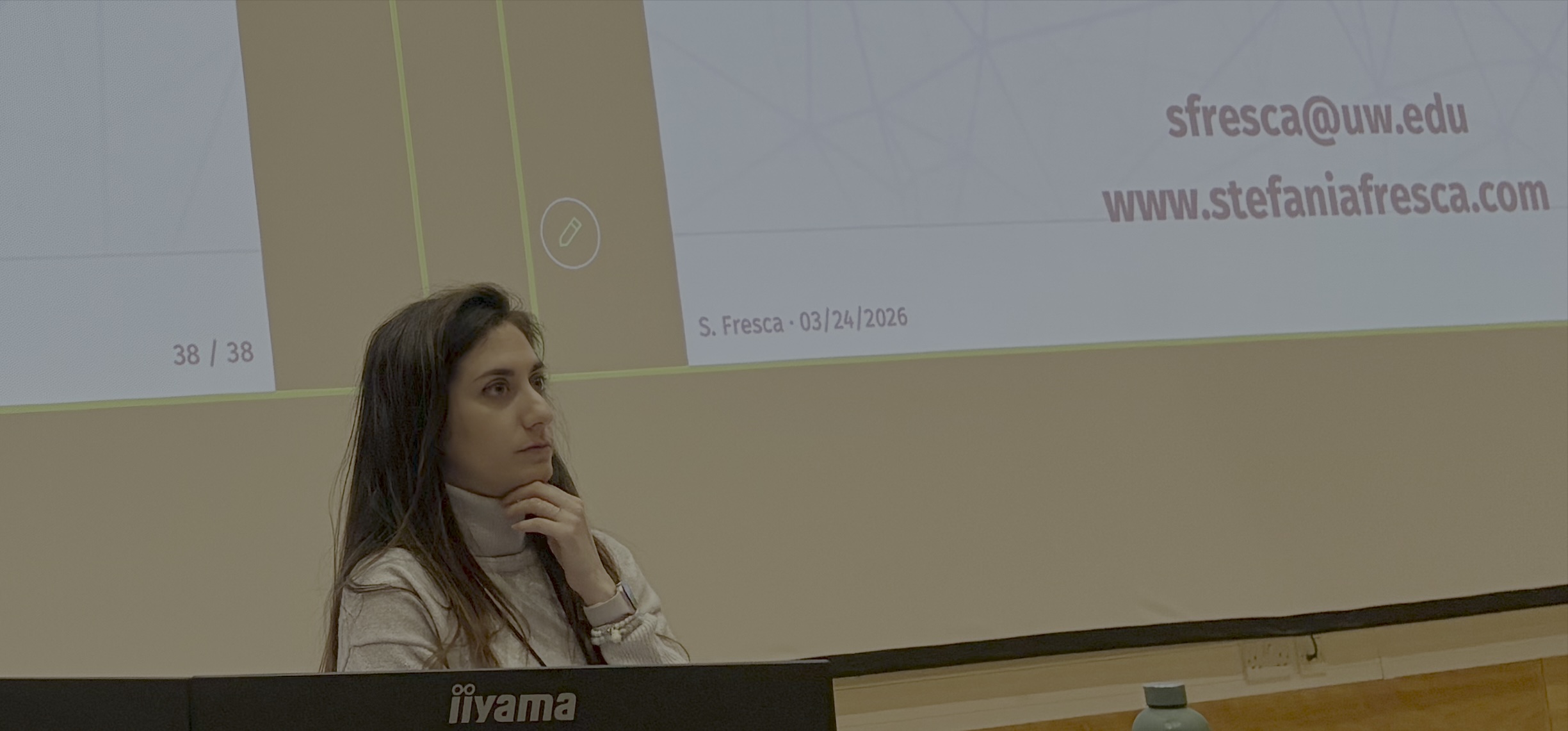
| 11:30– 12:15 | Stefania Fresca (University of Washington):
Embedding mathematical structure in neural reduced order models for parametrized PDEs |
 |
|
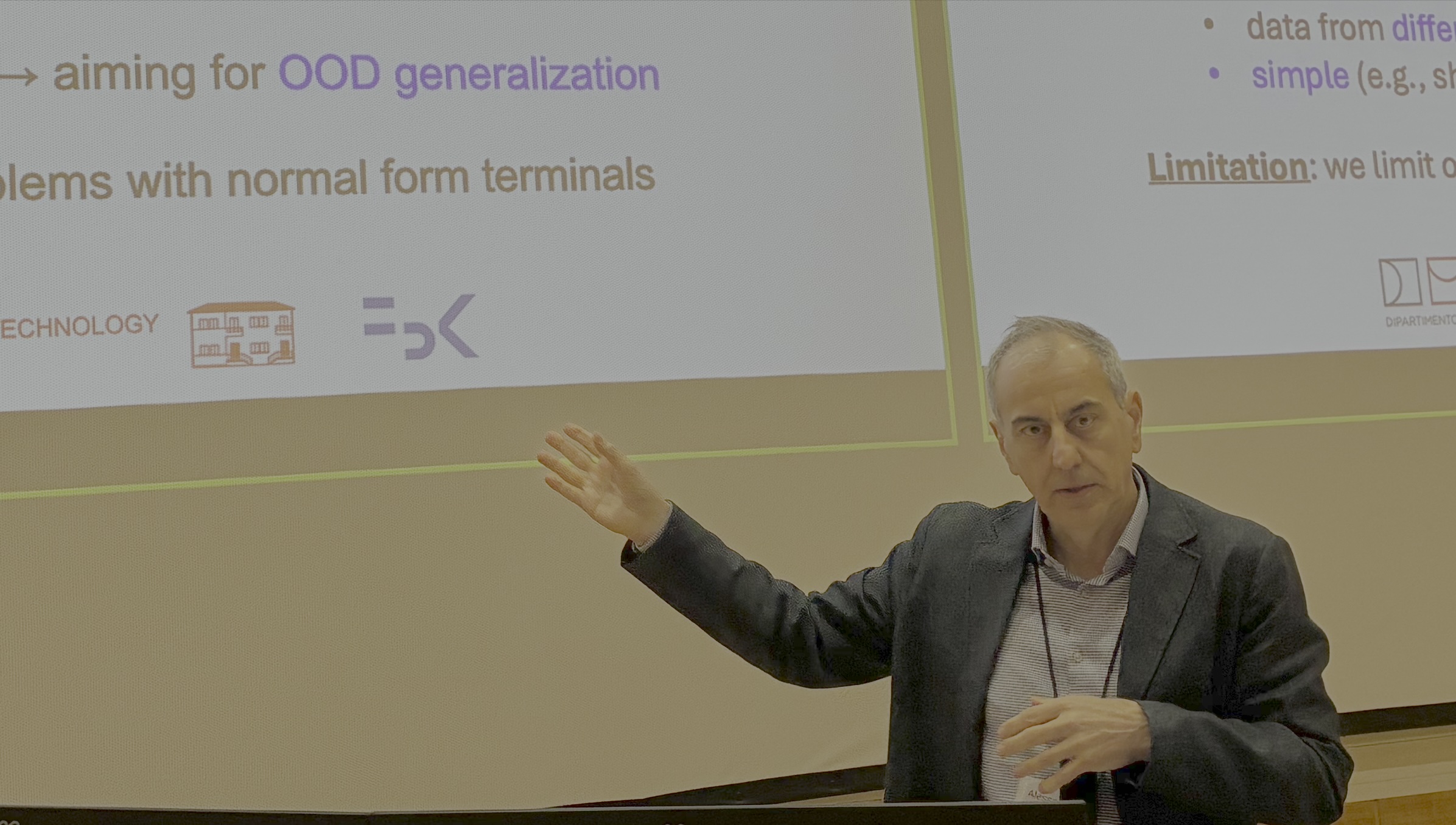
| 12:15- 13:00 | Alessandro Sperduti (Università di Padova)
Learning neuro-symbolic convergent term rewriting systems |
 |
|
| 13:00–14:30 | Lunch | West Hub |
|
| 14:30–15:00 | Moshe Eliasof (University of Cambridge):
A Graph Learning Perspective on Quadratic Binary Optimization | 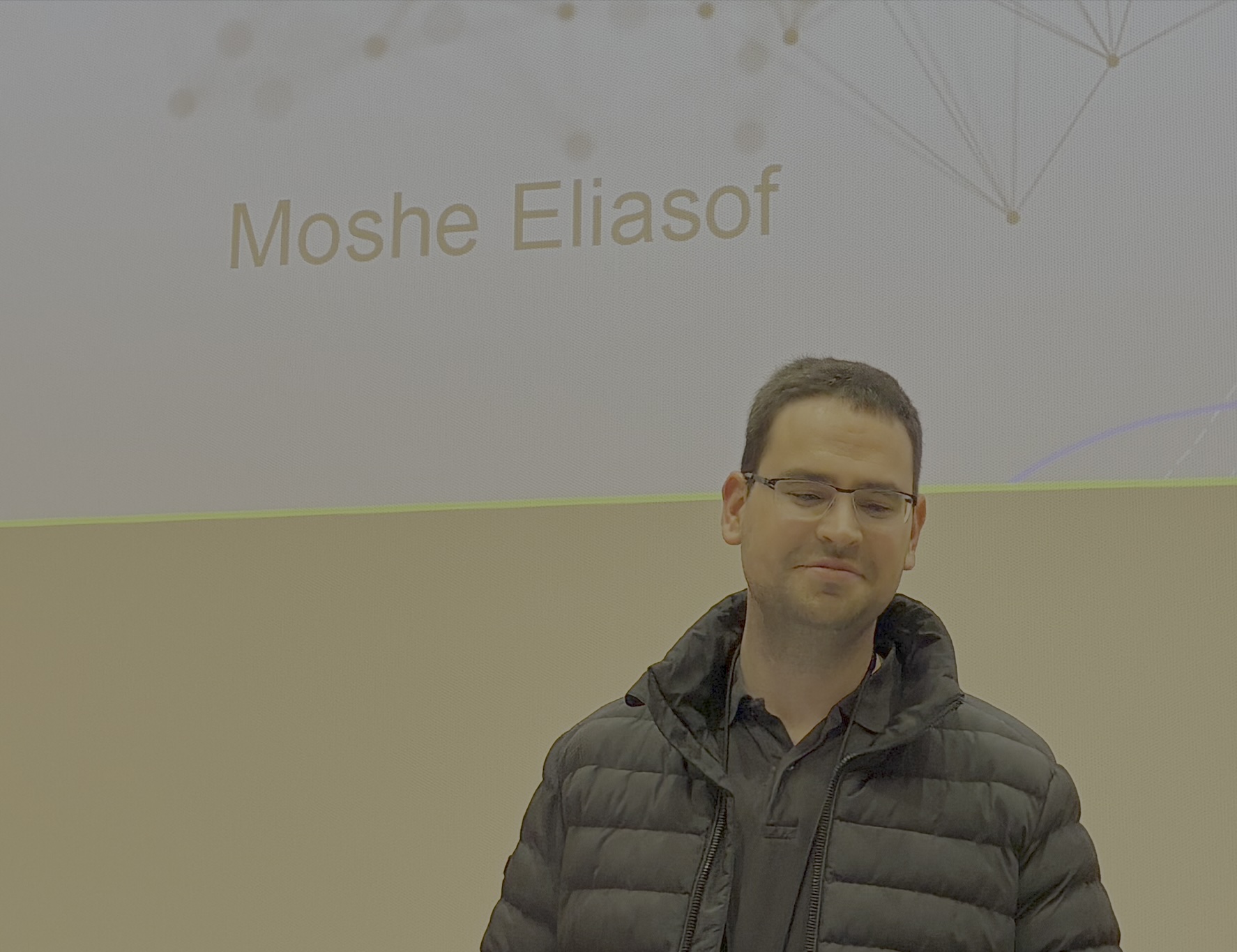 |
|
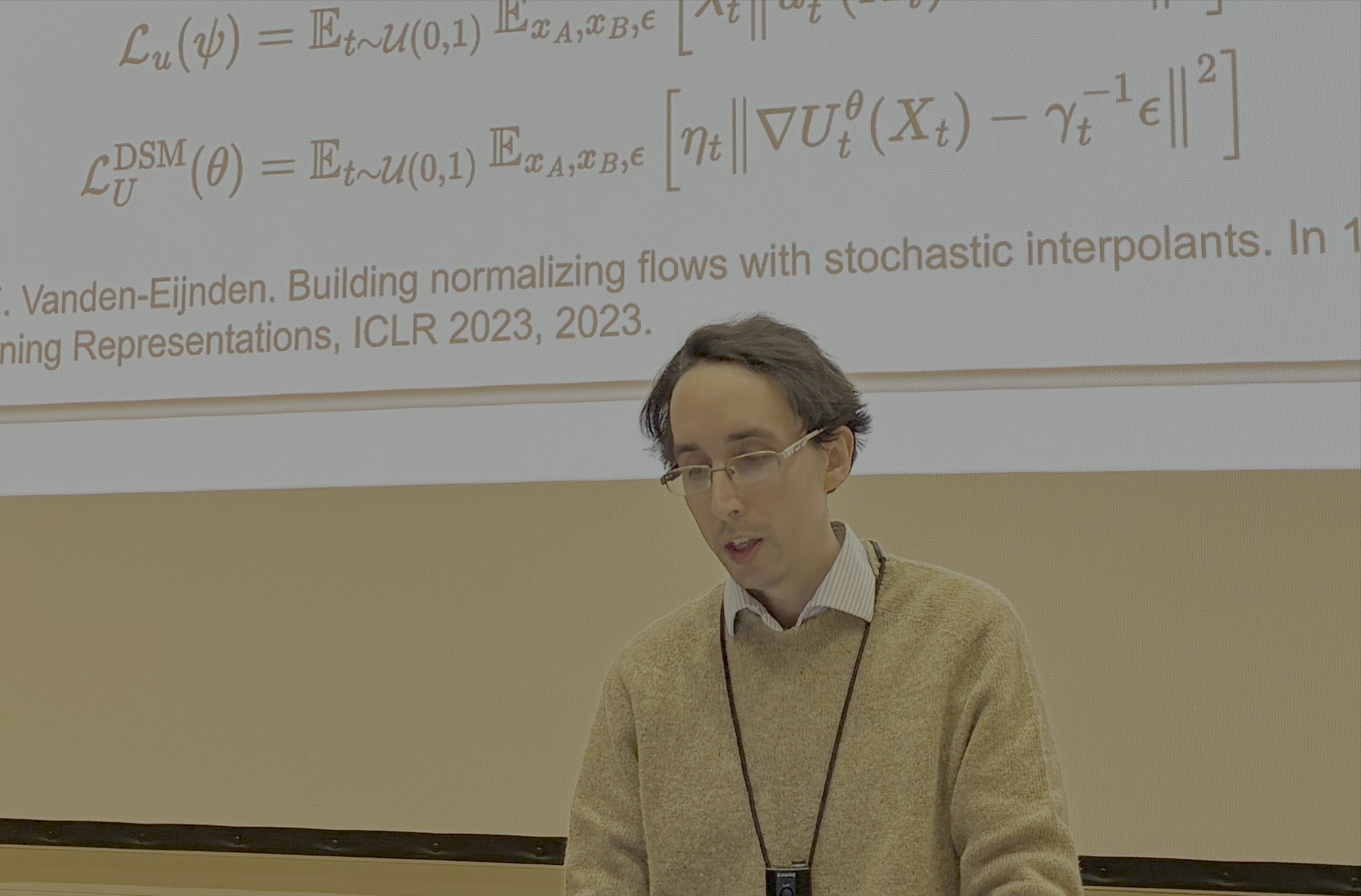
| 15:00–15:45 | José Miguel Hernández-Lobato (University of Cambridge):
FEAT: Free energy Estimators with Adaptive Transport |
 |
|
| 15:45–16:00 | Coffee | ||
| 16:00–16:45 | Kelin Xia (NTU Singapore)
Mathematical AI: from topological data analysis to topological deep learning |
T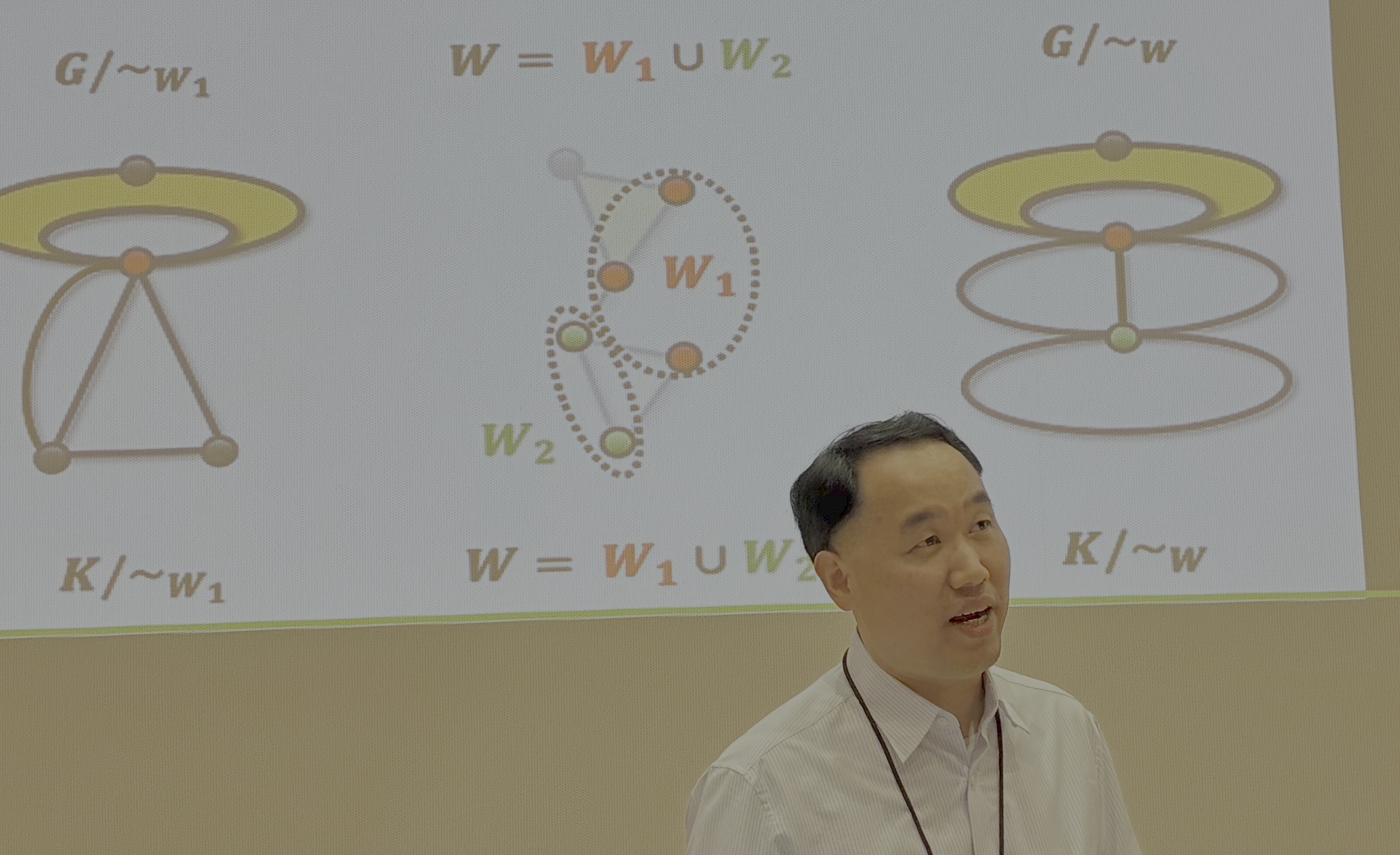 |
|
| 16:45 | Closing Remarks: Challenger Mishra | 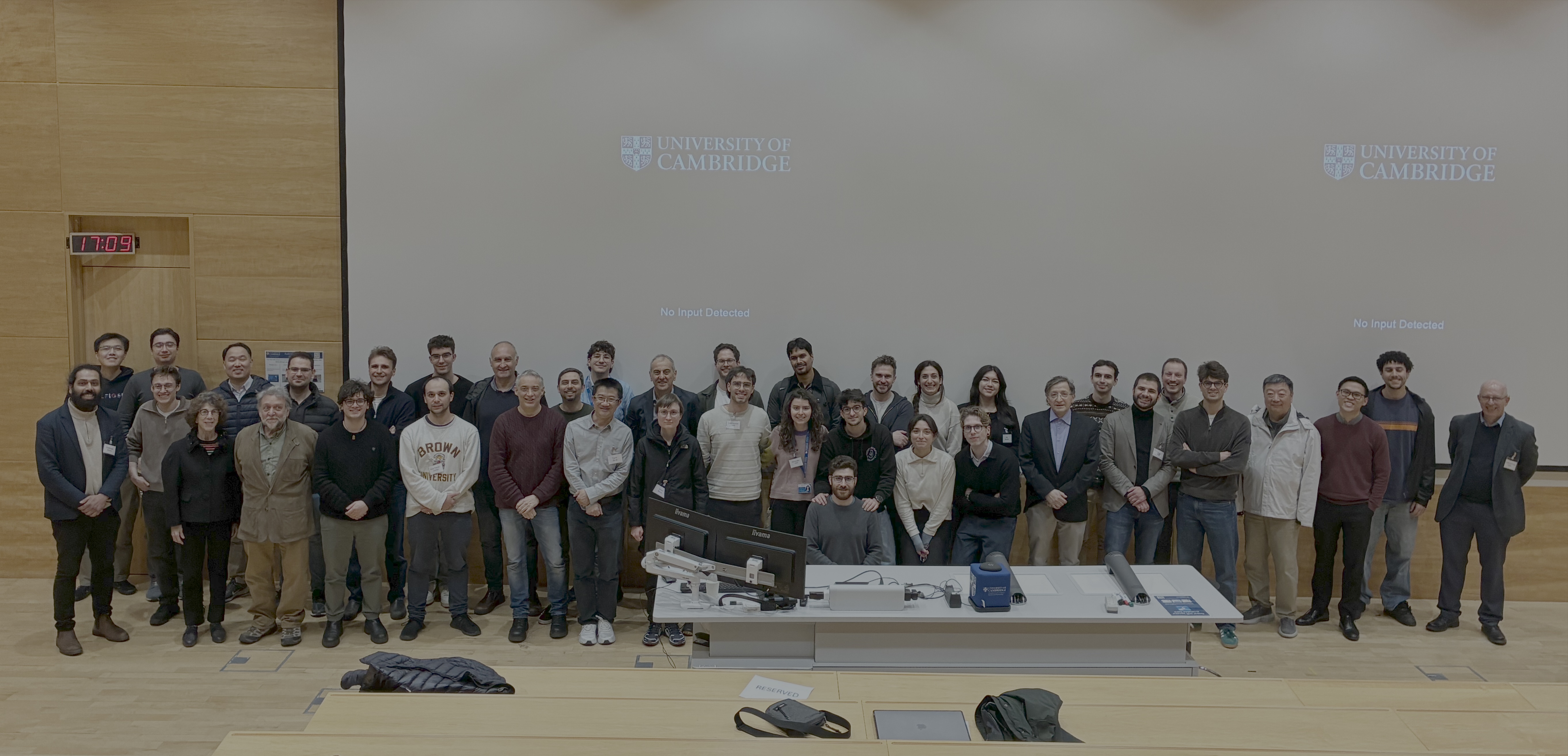 |
|
| 17:00 | Discussion and Drinks at street |